


-

Add: HeBei ShengShi HongBang Cellulose Technology CO.,LTD.
-

Email
13180486930@163.com -

CONTACT US
+86 13180486930



Le Polypropylène Un Acteur Clé dans l'Industrie des Matériaux Le polypropylène, un polymère thermoplastique issu de la polymérisation du propylène, est devenu un matériau incontournable dans diverses industries. Il est largement utilisé en raison de sa polyvalence, de sa légèreté, et de sa résistance aux produits chimiques. Son utilisation s'étend des emballages aux textiles, en passant par les composants automobiles et les biens de consommation. Propriétés du Polypropylène Le polypropylène se distingue par plusieurs propriétés qui en font un choix privilégié pour de nombreuses applications. Tout d'abord, ce matériau est exceptionnellement résistant à la chaleur, ce qui le rend adapté à des environnements où d'autres plastiques pourraient fondre ou se déformer. De plus, il présente une excellente résistance aux chocs, une durabilité qui lui permet de résister à un usage intensif, et il est également imperméable à l'eau, ce qui le rend utile pour les produits ayant des besoins de résistance à l'humidité. Une autre caractéristique remarquable du polypropylène est sa légèreté. Cela permet de réduire le poids des produits finaux, ce qui est particulièrement avantageux dans l'industrie automobile où chaque kilogramme économisé peut améliorer l'efficacité énergétique des véhicules. Enfin, le polypropylène est recyclable, ce qui est essentiel dans une époque où la durabilité et la réduction des déchets sont des préoccupations majeures. Applications du Polypropylène produsen serat polipropilen Les applications du polypropylène sont vastes et variées. Dans le secteur de l'emballage, par exemple, il est utilisé pour fabriquer des films d'emballage, des containers et des bouteilles en plastique. Sa résistance à l'humidité et aux produits chimiques le rend idéal pour les matériaux d'emballage alimentaires, contribuant ainsi à prolonger la durée de conservation des produits. Dans l'industrie textile, le polypropylène est utilisé pour fabriquer des non-tissés, des vêtements, et des tapis. Sa capacité à être teint et à conserver sa forme en fait un choix idéal dans la mode et le design d'intérieur. De plus, dans le secteur automobile, le polypropylène est utilisé pour des pièces intérieures, des panneaux de porte et des composants structuraux, offrant une combinaison de légèreté et de robustesse. Avantages Environnementaux L'un des avantages les plus significatifs du polypropylène est sa recyclabilité. De nombreux pays ont mis en place des systèmes de collecte pour encourager le recyclage des plastiques, y compris le polypropylène. En repensant notre approche de l'utilisation des plastiques, nous pouvons contribuer à la réduction des déchets plastiques dans les décharges. De nombreuses entreprises se tournent vers des matériaux recyclés pour produire de nouveaux produits en polypropylène, favorisant ainsi une économie circulaire. Conclusion En somme, le polypropylène représente un matériau essentiel dans le monde moderne. Sa combinaison unique de propriétés, sa légèreté, sa résistance et sa recyclabilité en font un choix idéal pour une multitude d'applications. Alors que le monde continue de se concentrer sur la durabilité et l'innovation, le polypropylène est bien positionné pour jouer un rôle de leader dans le développement de solutions matérielles durables et efficaces. L'avenir du polypropylène semble prometteur, tant pour les producteurs que pour les consommateurs, dans un monde où les choix de matériaux durables sont de plus en plus déterminants.
- 40000tons

Production
- 20+years

Experience
- 5000+㎡

Acreage

-
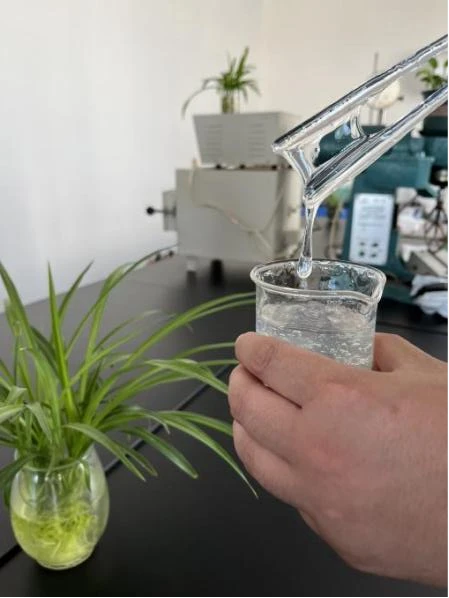
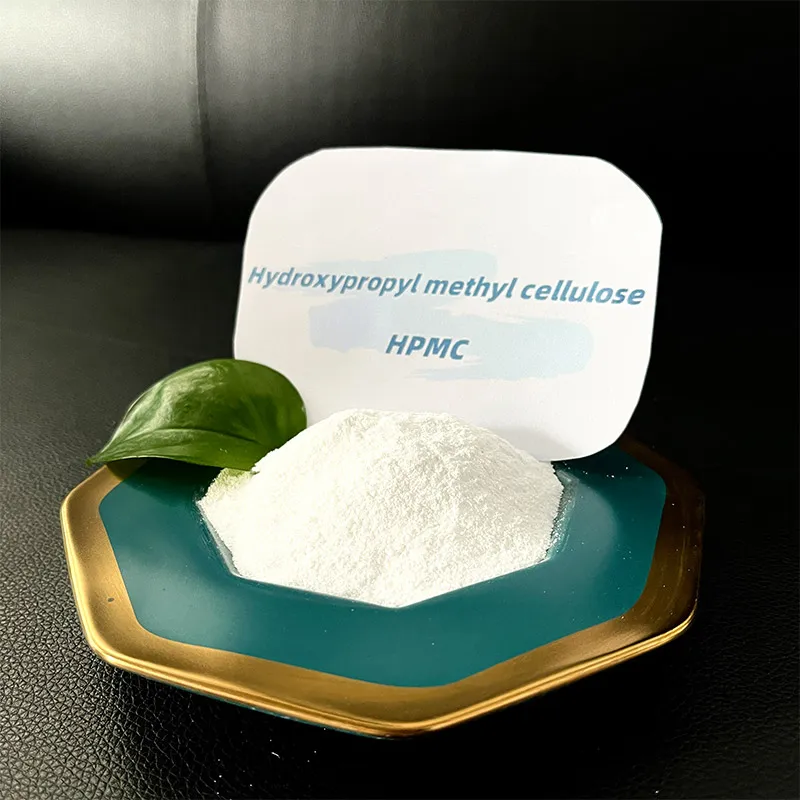
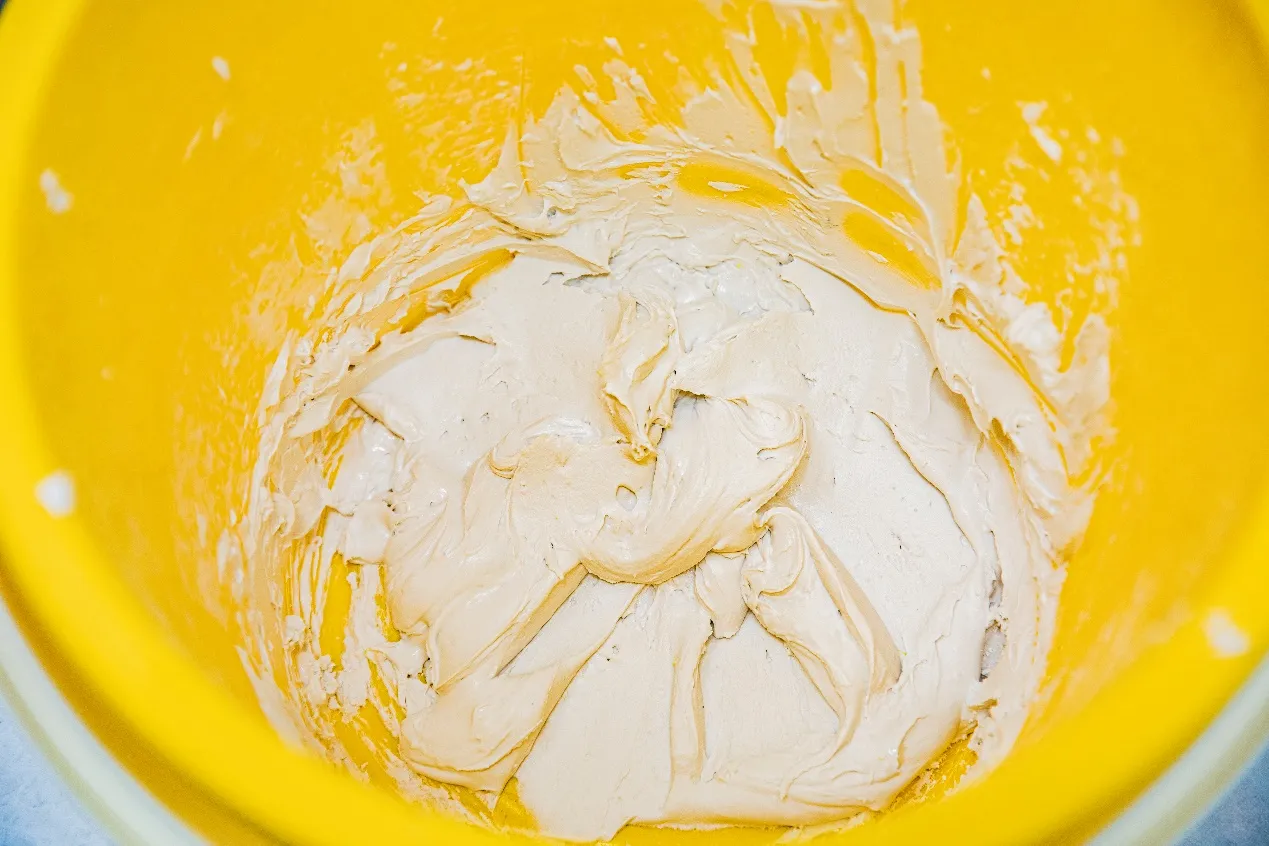
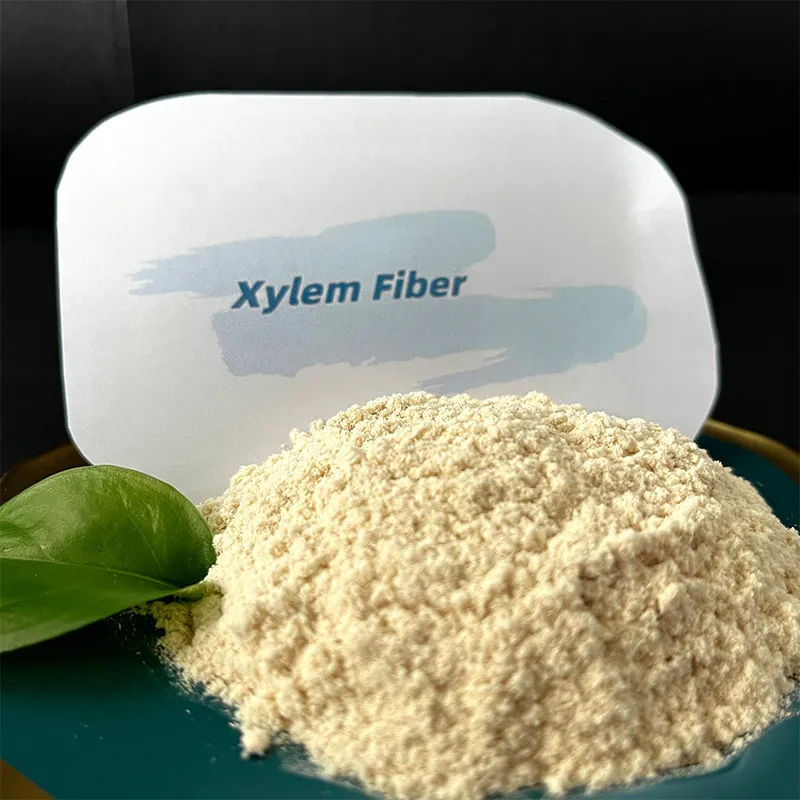
What is HPMC Made From? Hydroxypropyl Methylcellulose (HPMC) is a versatile and widely used polymer derived from cellulose, a natural polymer found in the cell walls of plants. As the demand for HPMC continues to rise across various industries, understanding its origins and properties is critical for its application in pharmaceuticals, food production, construction, and cosmetics. HPMC is synthesized through a multi-step chemical process that involves the modification of cellulose. The primary source of cellulose for HPMC production is wood pulp or cotton linter, both of which are abundant, renewable resources. The extraction process begins with purifying cellulose fibers from raw plant materials. These fibers are then subjected to a series of chemical treatments that modify their structure, introducing hydroxypropyl and methyl groups. What is HPMC Made From? The degree of substitution of the methyl and hydroxypropyl groups can be controlled during this process, allowing manufacturers to produce a range of HPMC products with varying properties. The extent of modification affects characteristics such as solubility, viscosity, and gel-forming capabilities, tailoring the polymer to specific applications. what is hpmc made from HPMC is favored in many fields due to its non-toxic and biodegradable nature. In the pharmaceutical industry, it is often used as a binder in tablets, a coating agent, and a controlled-release agent because it can form gels and control drug release profiles. In the food industry, it acts as a thickener, emulsifier, and stabilizer, enhancing the texture and mouthfeel of various food products. Its unique properties also make it an excellent ingredient in cosmetics and personal care products, where it acts as a thickening agent and enhances the spreadability of creams and lotions. In construction, HPMC is a crucial ingredient in dry-mixed mortars and adhesive formulations. It improves the workability of cement mixtures and enhances their adhesion properties, making them more effective in building applications. Moreover, HPMC is valued for its ability to form films, which create barriers against moisture. This quality is particularly beneficial in food packaging, where it helps in extending shelf life by protecting products from environmental factors. Overall, the production of HPMC from cellulose not only showcases the innovative use of natural resources but also reflects the chemical industry's commitment to sustainability. As industries increasingly seek eco-friendly alternatives to synthetic polymers, HPMC stands out as a biodegradable and versatile option. Its diverse applications continue to expand, driven by continuous research and development. In conclusion, HPMC is a significant polymer made from natural cellulose, modified through a careful chemical process to enhance its functional properties. From pharmaceuticals to construction, its applications are vast and essential. Understanding what HPMC is made from helps us appreciate its importance and the potential for further innovation in the use of sustainable materials. As industries evolve, HPMC will likely play a crucial role in advancing eco-friendly solutions across various sectors.
-

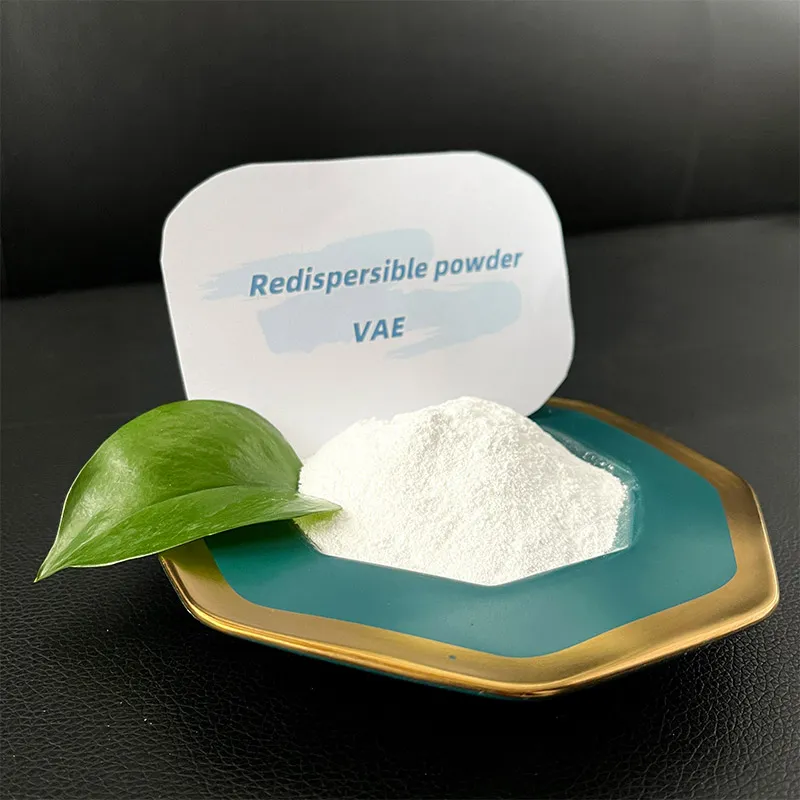
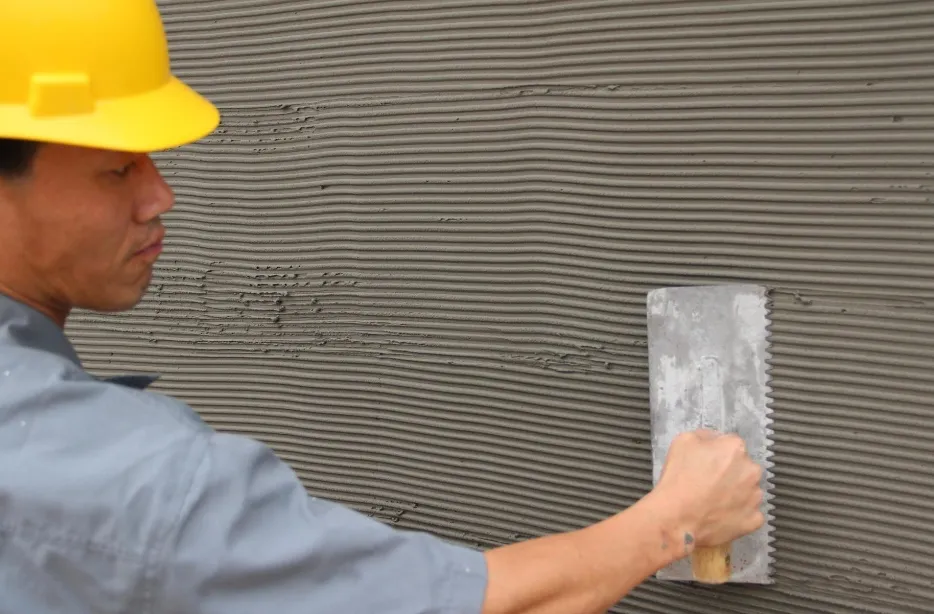
In the construction industry, creating durable and long-lasting tile adhesives is a top priority. The use of rubber powder in tile adhesives has gained significant attention for its ability to enhance the performance and longevity of the bond between tiles and surfaces. Rubber Powder-821 is one such product that has proven to be a reliable solution for durable bonding. This article explores why rubber powder-821 is the go-to choice for tile adhesive manufacturers and consumers looking for robust, lasting results. Rubber Powder-821: Revolutionizing Tile Adhesive Solutions Rubber powder-821 is a specially formulated compound that incorporates rubber powder into the adhesive mix to improve its flexibility, adhesion, and durability. The addition of rubber powder gives the tile adhesive superior elasticity, making it more resistant to cracking and other forms of damage that can occur due to movement or temperature changes. When compared to traditional tile adhesives, rubber powder-821 offers a unique advantage in that it ensures a stronger and more resilient bond between tiles and surfaces. This is especially critical in high-traffic areas, wet environments, and regions with significant temperature fluctuations. The enhanced bonding properties of rubber powder-821 help maintain tile integrity over time, preventing detachment or shifting that can occur due to wear and tear. The Role of Chlorinated Rubber Powder in Enhancing Tile Adhesive Strength In addition to the benefits of rubber powder , chlorinated rubber powder is often included in formulations to improve the chemical stability of tile adhesives. Chlorinated rubber powder contributes to the adhesive's ability to withstand harsh environmental conditions such as moisture, chemicals, and extreme temperatures. This makes it an ideal ingredient for tile adhesives used in bathrooms, kitchens, and outdoor areas where exposure to water and harsh chemicals is common. The unique properties of chlorinated rubber powder allow tile adhesives to remain intact even in challenging environments, ensuring that the bond between tiles and surfaces stays strong and durable for many years. By combining rubber powder-821 with chlorinated rubber powder , tile adhesive manufacturers can offer products that provide exceptional performance, especially in applications where the tiles are exposed to constant moisture or changing temperatures. How Rubber Powder Enhances Adhesion and Flexibility in Tile Bonding One of the most significant advantages of using rubber powder in tile adhesives is its ability to enhance adhesion and flexibility. Rubber powder is known for its elasticity, which makes tile adhesives more forgiving under stress. This is particularly important for tiles that need to bond with surfaces subject to expansion and contraction, such as concrete floors or walls. The incorporation of rubber powder-821 improves the adhesive's capacity to resist cracking and peeling, even under conditions of repeated stress. The increased flexibility ensures that the adhesive can accommodate slight movements without losing its bonding strength. As a result, tiles remain securely attached, even in environments where temperature fluctuations or settling of underlying surfaces may cause traditional adhesives to fail. Rubber Accelerator Free Gloves: Protecting Workers in Tile Installation While discussing the benefits of rubber powder in tile adhesives, it’s also important to consider the safety and well-being of workers handling these materials. Many tile adhesives, especially those that contain chemicals like rubber powder and chlorinated rubber powder , require precautions to avoid skin irritation or allergic reactions. To mitigate these risks, rubber accelerator free gloves are highly recommended for those applying tile adhesives. Rubber accelerator free gloves are specially designed to protect workers from exposure to potentially harmful chemicals found in rubber powder and other adhesive ingredients. These gloves are made without accelerators, which are chemicals that can cause allergic reactions or skin sensitivities. Using rubber accelerator free gloves ensures that workers can handle rubber powder-821 and other adhesive products safely, without compromising their health or comfort. In conclusion, rubber powder-821 is the ideal choice for creating tile adhesives that offer exceptional bonding strength, flexibility, and resistance to environmental stressors. The incorporation of rubber powder and chlorinated rubber powder results in a highly durable adhesive that ensures tiles remain firmly in place, even in the most demanding conditions. Whether it's for residential, commercial, or industrial applications, rubber powder-821 guarantees a lasting bond that will withstand time and wear. For those looking to purchase high-quality rubber powder-821 for tile adhesive applications, visit our website to explore our extensive product range. By choosing rubber powder-821 , you're investing in a tile adhesive that delivers long-lasting results and superior performance for any project.
advantages
-

200000 Viscosities
Excellent product
We can produce pure products up to 200,000 viscosities
-

40000 tons
High yield
We don’t stop production all year round, and the annual output can reach 40,000 tons
-

24 hours
Quality service
We provide 24-hours online reception service, welcome to consult at any time
———— Inquiry Form
Schedule A services
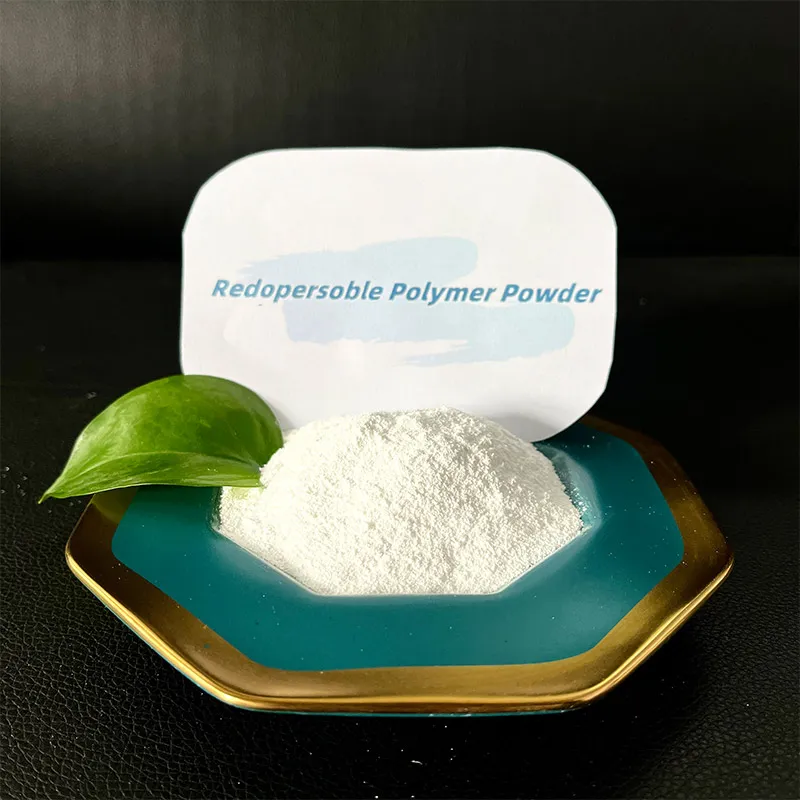
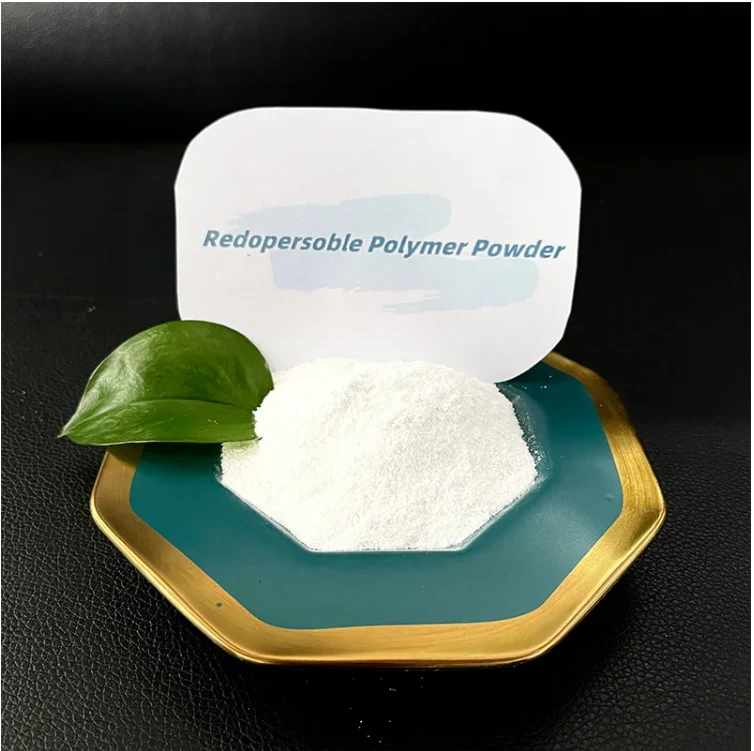
- hpmc-hydroxypropyl_methyl_cellulose_factory
Oct . 25, 2025
Different Types of Synthetic Fibers Synthetic fibers have revolutionized the textile industry since -
 polyacrylate_powder
Oct . 25, 2025
Polyolefin fibers, especially polypropylene fiber , have become increasingly popular in various indu -
 hydroxypropyl_methyl_cellulose_hpmc
Oct . 25, 2025
Cellulose ether HPMC (Hydroxypropyl Methylcellulose) has emerged as a significant player in the real


